Solar projects

The solar assets behind every credit we sell.

INFINITNEX sources carbon credits only from solar generation. Below is how those projects create tonnes — and what we examine before any volume reaches your shortlist.

Metered MWhobservable generation
Grid baselinemethodology-driven
Verifiedindependent audit
Issuedregistry serials

From sunlight to a tradable tonne

Solar projects convert irradiance into electricity. In carbon markets, that generation is compared with a baseline scenario — often the emissions intensity of the grid the plant connects to. After methodology rules are applied, the difference becomes the project’s emission reductions.

Independent validators and verifiers review design documents, monitoring systems, and reported data. Only then can a registry issue credits for a given vintage (monitoring period). INFINITNEX sells those solar-backed credits to organizations neutralizing residual emissions.

Because generation can be metered, solar projects give buyers a climate story that non-specialists can follow — without skipping hard questions on additionality, grid factors, and environmental-attribute ownership.

Project profiles

Solar project types we prioritize.

Different structures suit different volumes and risk policies. What they share: solar generation and a diligence trail you can defend.

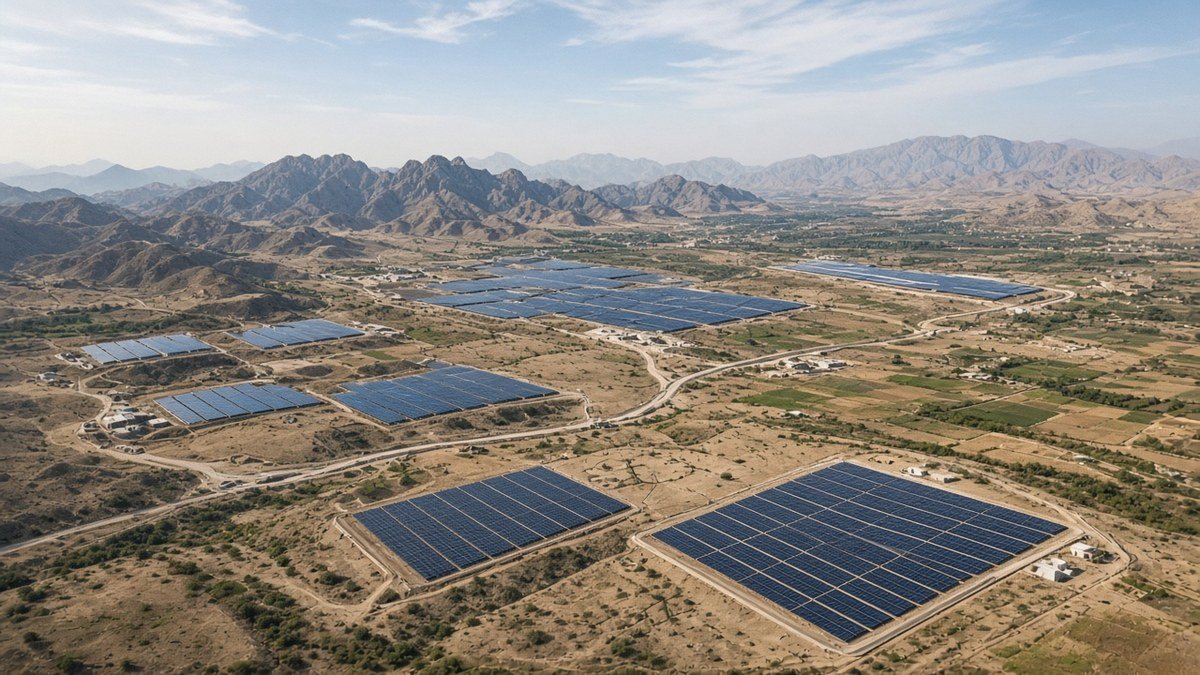
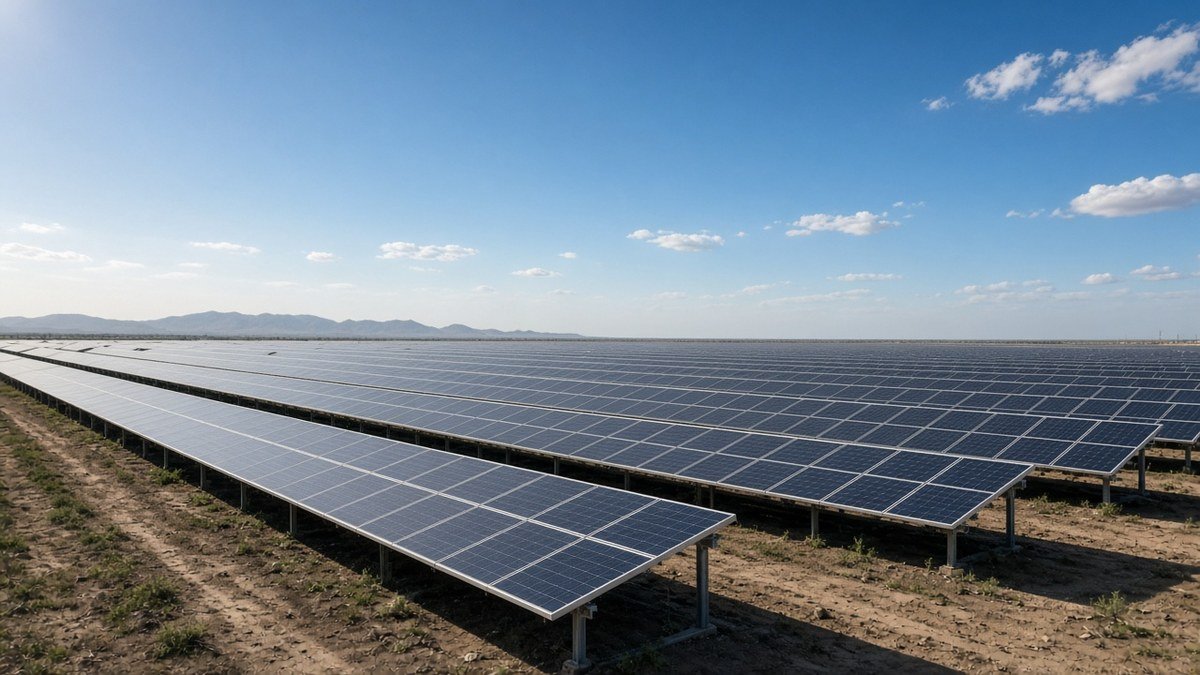
Utility-scale solar array
01 · Utility-scale

Utility-scale solar PV

Large ground-mounted plants with PPAs or merchant offtake, continuous metering, and established operations. These often anchor credit portfolios because generation volumes are substantial and auditable.

  • Stronger data rooms and verification history
  • Suited to larger corporate residual volumes
  • Clear plant-level performance tracking
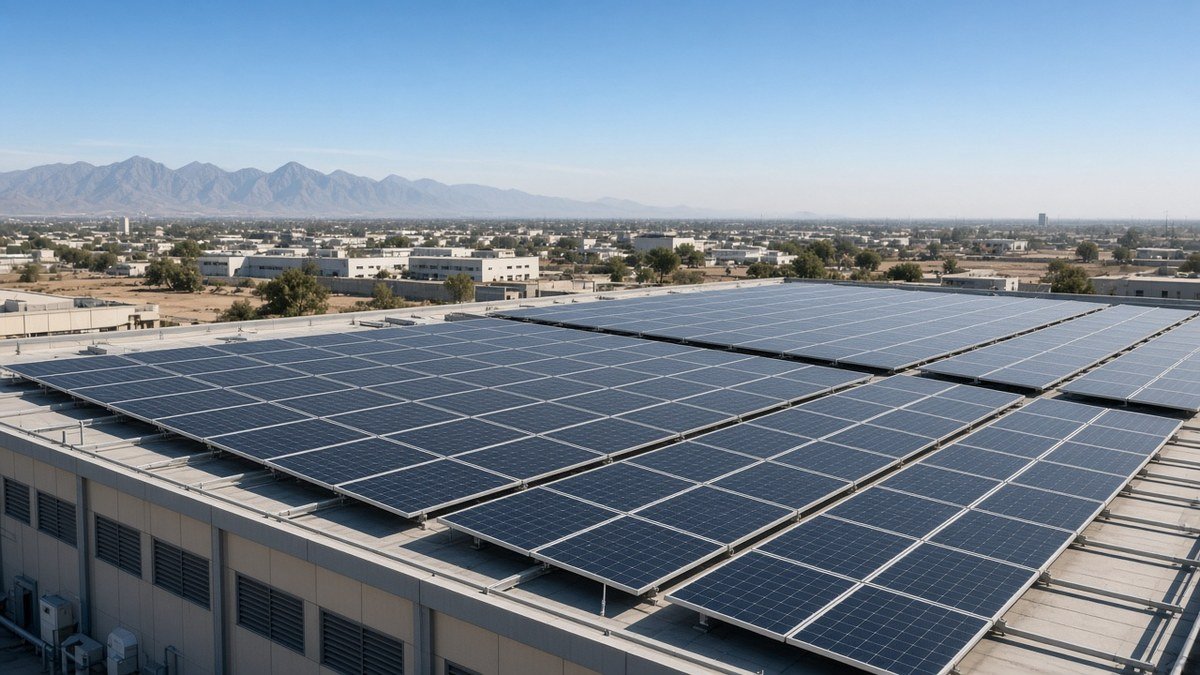
Commercial rooftop solar
02 · C&I

Commercial & industrial solar

Rooftop or captive solar that meets methodology requirements with unambiguous carbon-rights ownership. Attractive when buyers want projects closer to industrial activity or supply chains.

  • Host-facility context for ESG storytelling
  • Title and metering clarity are critical
  • Often smaller tranches, carefully screened
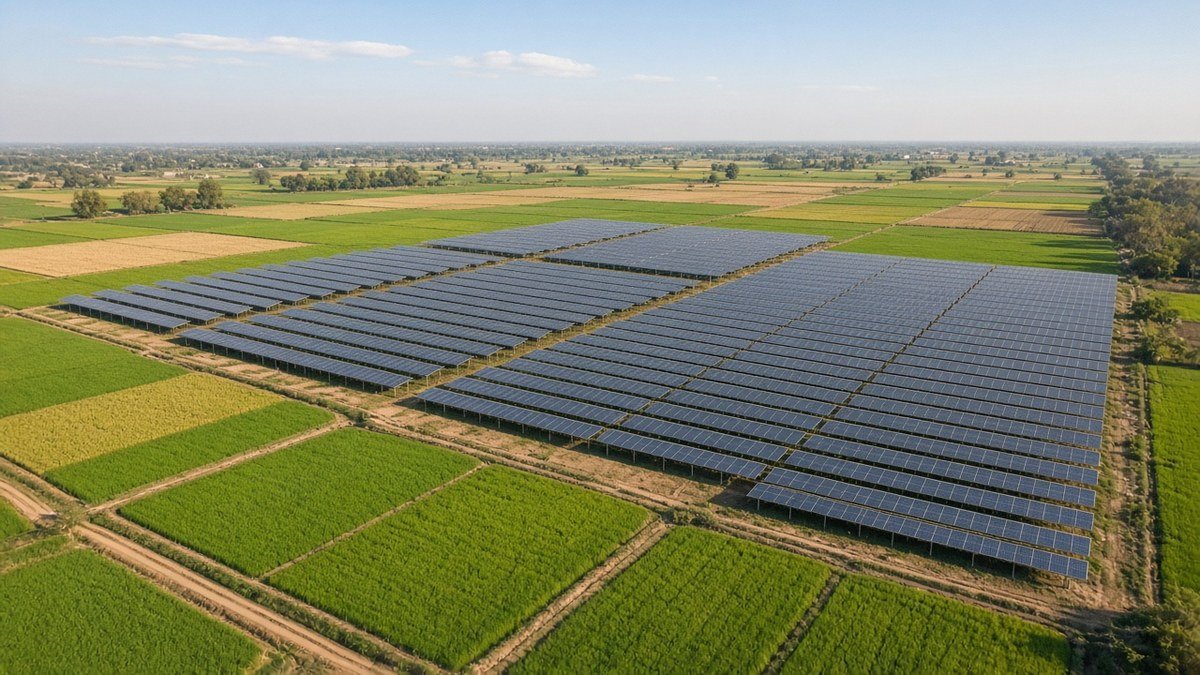
Solar panels across a landscape
03 · Portfolio

Portfolio aggregations

Bundles of solar assets that smooth delivery risk across sites and vintages — useful for multi-year offtake when you need steadier volume planning.

  • Diversifies single-site generation risk
  • Supports multi-year climate roadmaps
  • Requires consistent diligence across assets

How value is created

What makes a solar project credit-eligible.

01

Registered design

The project follows an approved methodology with validated design documents and a clear monitoring plan.

02

Reliable metering

Generation data is logged, calibrated, and explained — including how gaps and auxiliary loads are handled.

03

Credible baseline

Grid emission factors and counterfactual assumptions remain defensible for the vintage in question.

04

Clean attributes

Carbon rights are owned and disclosed without conflicting REC or energy-attribute claims.

Diligence lens

What we examine on every solar project.

No project enters a buyer shortlist on brand photos alone. These are the lenses behind our Integrity Framework scoring.

Technology & metering

Module and inverter setup, data loggers, calibration records, and gap handling in monitoring reports.

Grid & baseline

Emission factor source, vintage alignment, and whether the grid displacement story still holds.

Additionality

Would reductions likely occur without carbon finance? We challenge weak or circular narratives.

Legal title

Who owns the carbon rights? Any overlap with renewable energy certificates or PPA clauses?

Safeguards

Land, community, and environmental risk flags from public sources and project documentation.

Issuance history

Registry status, past verifications, delays, media signals, and controversy screening.

Buyer decisions

How project choice affects your purchase.

Volume & timing

Match assets to your residual plan

Utility-scale and portfolios often suit larger or multi-year needs. C&I may fit targeted volumes or narrative preferences — when title and metering clear our gates.

  • Spot inventory vs forward offtake
  • Vintage windows for reporting years
  • Delivery risk across single vs multi-site

Policy fit

Geography, co-benefits, risk appetite

Solar resources and grid factors vary by region. We help you filter projects to your allowlists — newer vintages, preferred geographies, or stronger evidenced co-benefits.

  • Regional risk and grid-factor quality
  • Co-benefit evidence vs marketing claims
  • Alignment with internal credit policies

Critical distinction

Carbon credits vs renewable energy certificates.

Solar plants may create energy-attribute certificates (often called RECs or similar) in addition to — or instead of — carbon credits. Mixing claims carelessly creates double-counting risk.

TopicCarbon credits (our focus)Energy certificates (RECs etc.)
What they representVerified tCO₂e reduced/avoided vs baselineAttributes of renewable electricity generated
Typical useResidual emissions / neutralization claimsRenewable electricity / energy attribute claims
Key riskWeak additionality or monitoringSame MWh claimed twice with credits
INFINITNEX roleSource & diligence solar-backed creditsScreen overlap before shortlisting

Our diligence checks how environmental attributes are contracted and disclosed so your retirement remains clean.

Project dossier

What you see before you commit.

Shortlists are built for decision-makers — not just climate specialists. Expect clarity on strengths and residual risks.

Solar project dossier review
  • Asset profile Technology context, scale, and how the plant connects to the grid or host facility.
  • Methodology & registry Standard references, monitoring approach, and issuance pathway for the relevant vintage.
  • Integrity score Five-domain scoring with plain-language notes on what passed — and what to watch.
  • Commercial snapshot Indicative volume, vintage, delivery window, and spot vs offtake fit.
  • Attribute notes Carbon-rights status and any REC or certificate interactions flagged upfront.

FAQ

Questions about solar projects.

Do you develop solar farms yourselves?

INFINITNEX focuses on sourcing and selling high-integrity carbon credits from solar projects. We diligence and shortlist — connecting your residual tonnes to projects that can prove generation-linked reductions.

Can we choose a specific country or region?

Yes. Share your geographic policy early. Solar resource quality and grid factors differ by region, and we filter inventory to your constraints.

What if a project also sells RECs?

That is not automatically disqualifying — but it must be accounted for. We review contracts and disclosures to avoid the same MWh supporting conflicting claims.

Can we visit a project site?

Document-level transparency is always required. Physical visits depend on project, location, and timing; we can discuss options during commercial scoping.

How often is generation verified?

Verification follows the project’s registered monitoring cycle and standard rules. We surface cadence and any historical delays in the dossier.

Next step

Ready to source solar carbon credits?

Tell us about your residual volume and timeline — we will respond with a clear path forward, from education to a scored shortlist.