
New to carbon credits
Start with definitions, then solar mechanics, then the buyer checklist.
Insights
Plain-language guides on carbon markets, solar credit mechanics, and how to purchase high-integrity tonnes without greenwashing risk — written for sustainability, procurement, and finance together.
Why this library exists
Most buying friction is not price — it is mismatched definitions. These guides help your internal stakeholders share one vocabulary for credits, solar generation, and claim discipline.
Start with definitions, then solar mechanics, then the buyer checklist.

Refresh integrity expectations, then move into process and inventory.

Keep the story simple: solar MWh → verified tonnes → retirement proof.
Featured guides

Definitions, issuance, retirement, and the difference between reductions, removals, and avoidance — including where solar-backed credits fit in a responsible climate strategy.
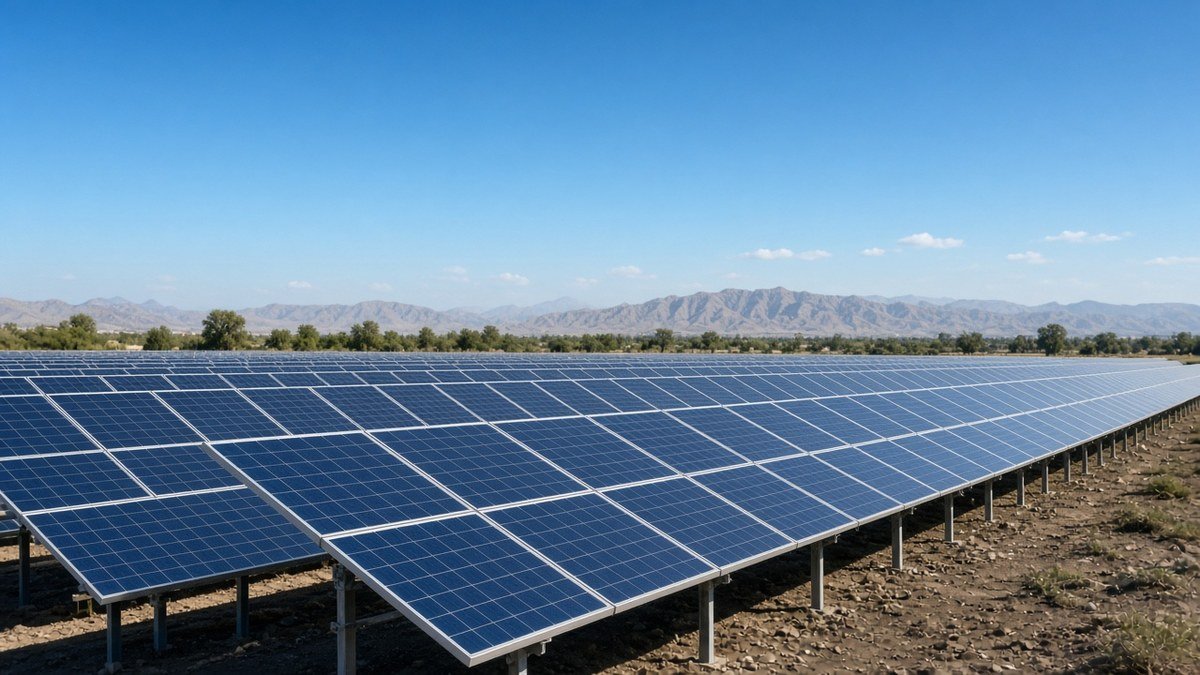
From metered megawatt-hours to verified tonnes: baselines, grid factors, additionality, and attribute ownership.
Read guide →
Questions for brokers and developers, red flags, quality gates, and how to brief procurement and finance.
Read guide →
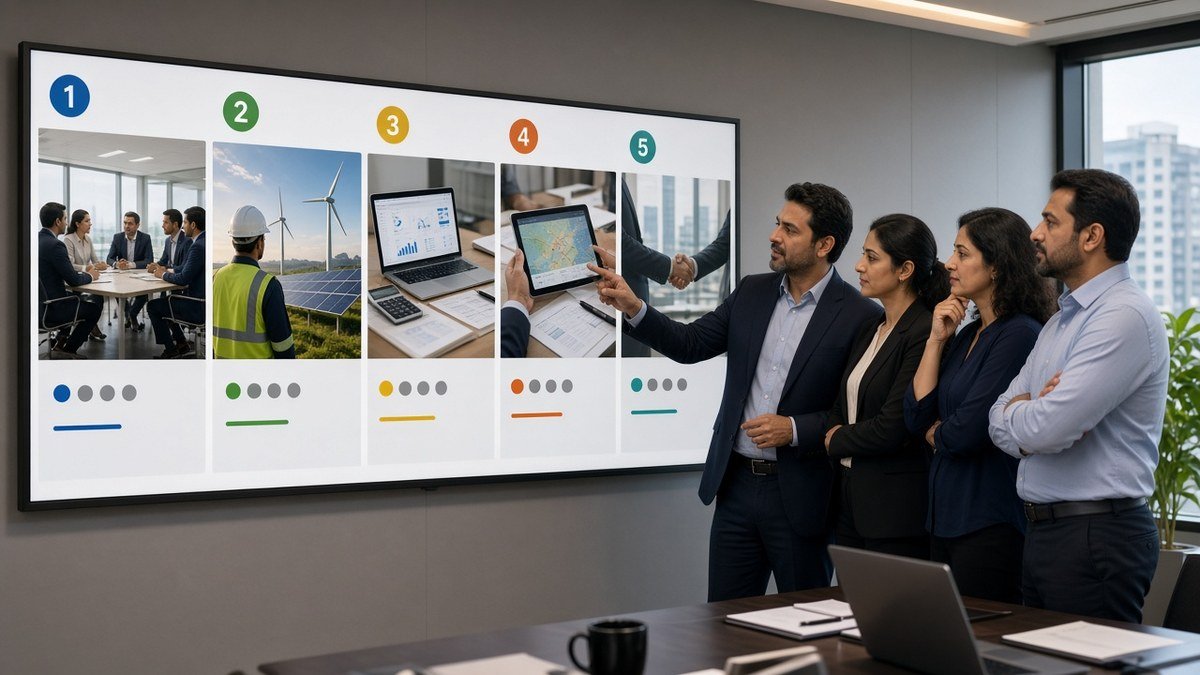
How INFINITNEX scores solar credits across five domains before anything reaches your shortlist.
View framework →Topics at a glance
Taking a credit out of circulation — usually in your name — so that tonne supports your claim and cannot be resold.
The monitoring period that produced the credit. Buyers often prefer vintages aligned with their reporting year.
Whether reductions would likely happen without carbon finance. Weak additionality is a core integrity risk.
When the same solar MWh underpins both energy certificates and carbon credits without proper accounting.
Buy available inventory now, or secure multi-year volumes from solar pipelines with agreed delivery windows.
What remains after reduction measures — the layer high-integrity credits are meant to address.
How to use Insights
INFINITNEX Insights are educational — not a substitute for diligence on a specific project. Use them to align your team, then bring your residual volume to a scoping conversation.
From learning to action
FAQ
Sustainability, procurement, and finance teams — plus leadership that needs a clear briefing before approving climate spend.
No. They build shared vocabulary. Specific solar credits still pass through our Integrity Framework and commercial process.
Yes. Contact INFINITNEX for a scoping call — education-first if you are new, shortlist-ready if you already know your residual volume.
The library will grow with buyer questions we hear most — especially around solar credits, claims, and offtake structuring.